Wally Richards – Time for planting winter vegetables
Now is the perfect time to plant out seedlings of vegetables for harvesting in winter.
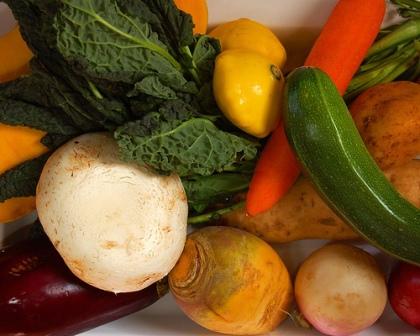
Many gardeners leave the planting of winter vegetables too late in the season to obtain good mature produce during the cold winter months.
The idea is to plant out seedlings now while there is ample growth through warmth and plenty of daylight hours (which decline every day). As the daily dose of sunlight reduces, so does the amount of new growth.
By planting out now and keeping the seedlings moist, the vegetables will grow nicely and reach maturity in late autumn or early winter. The short daylight hours and colder conditions will “hold” the mature vegetables for a couple of months allowing you to harvest at will.
If you leave planting out until March or April the plants will grow to a degree but not reach maturity, so they sit in their pre-maturity state waiting for better growth times. This also happens in the spring as the daylight hours begin to extend, but because the vegetables have had a big check in their growth, they feel their lives have been threatened and want to reproduce themselves. The vegetables immediately go to seed or as we say, “bolt”. A total waste of time and money.
A gardener rang me the other day about a punnet of leeks he had purchased and described as “tallish but very skinny”. His question was did he grow the leek plants on in the punnet until they filled out and were a more suitable size to plant out?
The answer is that leek plants in a punnet will never fill out as they are too crowded and can’t get a decent root run. The best leek seedlings are ones that are planted in November/December in open ground with a good amount of chook manure incorporated in the soil. The seeds will germinate and grow quickly into strong plants ready to be lifted and transplanted into rows about now and through February.
My advice to the gardener was to soak the punnet in water and then to divide the contents into small clumps of plants and planted into a nursery bed and well fertilised with chook manure. By keeping them moist they will quickly grow and fill out so that they can be planted out a little later on.
Here is what I have to say about leeks in my book, Wally’s Green Tips for Gardeners – LEEKS: Another heavy feeding plant that requires ample animal manure and compost humus. Chicken manure is best. The pitiful leeks purchased in punnets should only be used if you forget to grow your own from seed. Leeks in bundles may be better specimens but if grown in soil, the soil may carry the deadly club root spores which will not hurt the leeks but will introduce the disease into your gardens making the growing of all brassicas difficult. A nursery bed should be prepared about November using ample compost and animal manure. Sprinkle the leek seeds over this bed and lightly cover with sand after watering with the MBL drench mix. Keep moist. You are looking to develop strong young plants that are both tallish and with trunks up to the thickness of a pencil.
In January the biggest of the seedlings can be lifted after saturating the soil with water.
These are the transplanted into a row that is rich in chicken manure and compost. Depth of mix should be about 200mm. Trim the foliage off leaving about 50mm of leaves.
To plant use a dibbler pushed into the above mix and drop the leek seedling into the resulting hole. All of the seedlings should be in the hole with just the 50mm of leaves left protruding. Squeeze some of the mix at the top of the hole to support the plant in an upright position. Don’t try to fill the hole. Plant about 100 to 120mm apart. Leave the remaining seedlings in the nursery bed so that a further planting maybe done in February and once again in March with the best of what is left. Keep all plantings well watered till the autumn rains soak the garden.
The above method should give you ample good sized leeks through winter and well into spring.
Silverbeet and spinach are two great winter vegetables to grow and by harvesting just the outer leaves for use, the plants will keep producing ample new foliage for future harvesting. Brassicas such as cabbage, broccoli, cauliflower, brussel sprouts, swedes and turnips are also great winter vegetables to grow.
A problem arises at this time of the year as the young seedlings are attacked by the caterpillars of the white butterfly. These hungry caterpillars can decimate a crop of seedlings in no time at all. It is a matter of protecting them from damage. One method is to place about a teaspoon of Neem Tree Granules into the planting hole and after planting sprinkle some more Neem Granules onto the surface of the soil near the trunk. Repeat the surface sprinkling about every 4-6 weeks.
What happens is the eggs of the caterpillars are laid on the outer leaves and when the grub hatches out and takes one bite of the leaf it gets a small dose of Neem properties and is unable to eat again (anti-feedent). Within a day or so the grub is dead through starvation. You can also increase the effectiveness of the granules by spraying some Neem Tree Oil over them say at 15 to 25ml per litre. The same spray will take care of any aphids that may attack the young foliage.
If white butterfly populations are really bad you can also protect the seedlings when planting out by covering with a fine weave curtain netting, placed loosely over the bed but held in place with lengths of wood or similar. If the butterflies can’t reach the plants to lay their eggs they will not be eaten up. Later, when established, the netting can be removed and the Neem Tree Granules applied about 2 weeks before removal.
Tomato plants that are cropping well at this time need a good supply of a good tomato food to keep them growing and cropping till late autumn. You may like to use my own Secret Tomato Food. If you strike some laterals as cuttings this will give you a few new tomato plants for growing to produce more tomatoes after your main crop is finishing. It is also the right time to germinate the seed of cold setting tomato plants for growing through the winter in a glasshouse or in a frost protected area, ideally grown in containers so you can move them around. A good one for this is called Silvery Fir Tree, (a Niche brand seed).
I was told the other day that seed potatoes for a late crop have already sold out so I, like many others, missed out. The alternative would be to plant purchased potatoes that have started to sprout.
Happy winter planting.
Any problems ring me at 0800 466464 (Palmerston North 3570606)
Email wallyjr@gardenews.co.nz Website www.gardenews.co.nz


how do i find information about Wally Richards gardening book?
thank you Joy
I have a new house .The section is level top soil & I wish to sow the lawn this autumn.
When is the best time?
Which grass seed ?
Fertiliser as it is sown ?
hi wally i listen to your very help full hints on radio live may i ask how do i get rid of small worms that eat my carrots last season i have new crop planted and have just thinned them
we live in hanmer springs and i tend to plant carrots and pasnips to eat over winter
my old dad used to tip the washing water over them i am sixty two now and this was only a merory that came back to me thanks for your help graham s
Hi
For my book phone me on 0800 466464 with credit card details.
Autumn is the time to sow a lawn when the autumn rains have moisten up soil.
Try Super Strike lawn seed.
A lawn slow release fertiliser at sowing time.
Carrot fly use the Neem Tree granules at sowing time with the seed. Then tops are a couple inches high side dress with same, repeat about 6 weeks later.
pretty good website just what i need for my gardening so thank u
We have a lovely old Mulberry tree,and I have been wondering how to get a young tree from it.I have been told that small lengths of branch’s about 20mm dia half buried in the ground may result in some developing roots.Do you think this would work,or do you have any better ideas?? I very much enjoy your gardening articles in the Marl. Saturday Express.
Hi Wally, I have an empty section in Hanmer that has not yet been built on but needs some screenings trees and shrubs to be planted against a fence line that can be worked around a proper landscape plan later on.But for the meantime, what could you recommend that is perhaps native to the area and frost hardy to help ease hardness of the boundary line? appreciate your thoughts. Cheers, Gretchen
Hi Gretchen,
I would suggest talking to a landscape designer in these early stages – just to address your initial ideas specific to your section. You do not have to design the whole garden at this stage and can start with structural trees.
Regards
Tim Durrant
Hi Wally,
Where would I purchase Neem Tree granules or oil from? Also when is the best time to harvest Kumara? We have some in our garden that has sprouted from a compost pile and as I have never grown it before I have no idea when to dig it. Thanks Lisa
Hi Wally
We’re new to this whole vege garden thing. Did ok with our summer veg but it seems we missed the time to plant veg for winter harvest 🙁 Is there anything we can plant now (june-akld) that will grow well?
Also..we had a few things, beans, peas and especially pumpkin..with a TONNE of foliage but very few veg.. is that caused by something in soil?
Thanks
Andrea
Hi Andrea,
Tim Durrant here from Landscapedesign.co.nz.
Wally may answer this question however if you go to the Patch from Scratch pages there is a list of plants to plant in your garden right now. You can also ask your questions there about pumpkins.
http://blog.landscapedesign.co.nz/organic-vegetable-gardening/patch-from-scratch-june-09-newsletter/archives/863#more-863
Regards
Tim